Free delivery: Estonia €30 · Latvia €35 · Lithuania €40 · Finland €60 · Poland €50
Free delivery: Estonia €30 · Latvia €35 · Lithuania €40 · Finland €60 · Poland €50. 14 days to return unopened goods. Original products from official suppliers. Convenient payment: bank links, Visa/Mastercard, Apple Pay, Google Pay, PayPal. We explain how the products differ and help you choose
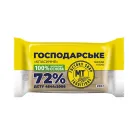
The 72% fatty acid content refers to the concentration of the active soap compounds that perform the cleaning. These fatty acids are the part of the soap that binds to oils, grease, and grime. When you apply the soap to a surface or fabric, these compounds surround and encapsulate the oily particles, making them soluble in water so they can be rinsed away. This is the fundamental principle behind why traditional household soap has been used for decades for degreasing and stain removal.
A higher fatty acid content generally means a more concentrated, efficient bar. This density allows you to use less product per cleaning task. It's particularly effective for stubborn, greasy residues on kitchenware, workshop tools, or fabrics like collars and cuffs, where water alone or milder detergents might struggle. The solid bar format lets you apply this concentrated cleaning power directly to a stain or dissolve a portion in hot water to create a potent soaking solution for larger items.