
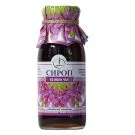
While the most immediate use for this fireweed syrup is stirring it into hot beverages like tea or warm water, its culinary versatility extends to various breakfast and dessert applications. The thick, viscous consistency of the syrup, derived from the high sugar content and water extract, means it behaves differently depending on the temperature of the food it is added to. In hot liquids, the heat helps the syrup disperse quickly, ensuring an even distribution of flavor without leaving sticky pools at the bottom of the cup. This makes it ideal for morning routines where efficiency is valued.
For cold applications, such as pouring over porridge, mixing into yogurt, or drizzling over fruit salads, the syrup's thickness allows it to coat the food effectively. It acts as both a sweetener and a flavor enhancer. When used in yogurt or cottage cheese, the lemon juice component can help brighten the mild dairy flavor, while the fireweed extract adds a sophisticated botanical undertone that plain sugar cannot achieve. It is also suitable for use in small amounts in dessert recipes, such as mixing into batter for pancakes or muffins, where it can replace a portion of the liquid sweetener to add moisture and flavor complexity.
Because the product is concentrated in sugars, it is best used in moderate portions. When incorporating it into meals, consider the total sugar content of the dish. For example, if adding it to already sweetened yogurt, you may wish to reduce other sweeteners. The syrup is not intended to be a primary ingredient in large quantities but rather a finishing touch or a flavor accent. Its simple composition ensures that it blends well without altering the texture of the base food significantly, unlike syrups with higher water content or those containing thickeners that might change the mouthfeel of the final dish.