Free delivery: Estonia €30 · Latvia €35 · Lithuania €40 · Finland €60 · Poland €50
Free delivery: Estonia €30 · Latvia €35 · Lithuania €40 · Finland €60 · Poland €50. 14 days to return unopened goods. Original products from official suppliers. Convenient payment: bank links, Visa/Mastercard, Apple Pay, Google Pay, PayPal. We explain how the products differ and help you choose
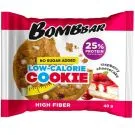
The texture looks different from a regular cookie. What makes it that way, and is it chewy or crumbly? — Low-Calorie Protein Cookie "Raspberry Cheesecake", 40 g - Bombbar
You're right to notice a difference. A conventional cookie gets its structure primarily from wheat flour, which contains gluten and starches that create a familiar crumbly or crisp texture when baked with fat and sugar.
This product replaces that flour base with whey protein concentrate, milk protein concentrate, and water-soluble corn fiber. This fundamental shift in ingredients results in a different texture profile. Protein powders and soluble fibers hydrate and bind differently than flour, often leading to a denser, more fudgy or chewy consistency. The absence of traditional baking with rising agents also contributes to a denser product.
Don't expect a light, flaky, or crisp texture like a shortbread. Instead, anticipate a moist, substantial bite that some describe as similar to a dense brownie or protein bar. The white chocolate-style coating and freeze-dried raspberry pieces add contrasting bits of crispness and tartness. This texture is a common characteristic of high-protein baked alternatives, as the functional ingredients prioritize nutritional profile and shelf-stability over replicating exact conventional bakery textures.