Free delivery: Estonia €30 · Latvia €35 · Lithuania €40 · Finland €60 · Poland €50
Free delivery: Estonia €30 · Latvia €35 · Lithuania €40 · Finland €60 · Poland €50. 14 days to return unopened goods. Original products from official suppliers. Convenient payment: bank links, Visa/Mastercard, Apple Pay, Google Pay, PayPal. We explain how the products differ and help you choose
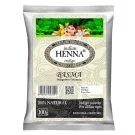
The best method depends on the result you want and your current hair colour. Indigo basma is valued in herbal colouring because it adds a cool, blue-toned pigment. Used with henna, it can mute copper warmth and help shift the final colour toward brown or darker tones. Used on its own, the effect can be more dependent on the base colour underneath, so it is usually approached carefully, especially on light or previously lightened hair.
Mixing henna and indigo together is commonly chosen when the goal is a more blended brown effect, because the warm pigment from henna and the cool pigment from indigo influence each other in one application. Applying indigo after henna is often chosen when a deeper or darker result is desired, because the henna layer provides a warmer base for the indigo pigment to attach to visually. The product information notes that the final shade can differ depending on whether basma is applied after henna or mixed with it.
If your hair has been recently coloured with conventional dye, or if it is bleached, very light or damaged, avoid guessing from photos alone. Do a strand test with the exact method you intend to use. This is the most reliable way to see whether the colour becomes too cool, too dark, uneven, or simply different from what you expected.