Free delivery: Estonia €30 · Latvia €35 · Lithuania €40 · Finland €60 · Poland €50
Free delivery: Estonia €30 · Latvia €35 · Lithuania €40 · Finland €60 · Poland €50. 14 days to return unopened goods. Original products from official suppliers. Convenient payment: bank links, Visa/Mastercard, Apple Pay, Google Pay, PayPal. We explain how the products differ and help you choose
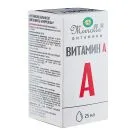
Vitamin A is a fat-soluble vitamin — unlike water-soluble vitamins (for example, vitamin C), any excess is not excreted in the urine but is stored in the liver and adipose tissue. This means that if the dose is regularly exceeded, the concentration of the vitamin in the body gradually rises, and over time this can lead to undesirable consequences.
Signs of excess vitamin A (hypervitaminosis) may include headache, nausea, dry and flaky skin, joint pain and, with chronic overdosing, strain on the liver. In pregnant women, excess retinol is particularly undesirable, which is why, according to the label, these drops are not taken during pregnancy and breastfeeding (nor in cases of individual intolerance to the ingredients).
The practical conclusion: before starting a course, assess how much vitamin A you already get from food and other supplements. If you take a multivitamin complex, it most likely already contains vitamin A — and the total dose may turn out to be higher than recommended. For a long course or when combining several sources of retinol, it is sensible to consult a specialist in advance.