Free delivery: Estonia €30 · Latvia €35 · Lithuania €40 · Finland €60 · Poland €50
Free delivery: Estonia €30 · Latvia €35 · Lithuania €40 · Finland €60 · Poland €50. 14 days to return unopened goods. Original products from official suppliers. Convenient payment: bank links, Visa/Mastercard, Apple Pay, Google Pay, PayPal. We explain how the products differ and help you choose
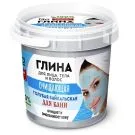
My skin is sensitive or reactive — can I still use this mask, and what precautions should I take? — PHYTOCOSMETIC BAIKALI LIGHT BLUE CLAY, CLEANSING 155ML (Phytocosmetics)
Yes, but with more caution than oil-prone skin types. Because clay actively absorbs surface lipids, it can temporarily impair the barrier if left too long on skin that already has low lipid levels. Do a patch test first: apply a small amount behind the ear or on the inner forearm, leave for 5 minutes, rinse, and wait 24 hours. If no redness, itching, or stinging appears, proceed to the face.
On the first few uses, limit application to 5 minutes maximum. Rinse while the mask is still slightly damp — do not wait for it to fully dry and crack. Use once every 10–14 days initially, then assess how your skin feels the next day. If it feels comfortable, not tight or flaky, you can gradually increase to weekly.
Stop immediately and rinse if you feel stinging, burning, or see pronounced redness during application. Avoid using on broken skin, active eczema, sunburn, or right after chemical exfoliants (AHAs/BHAs) or retinoids. The green tea infusion and bark extract are generally well tolerated, but individual reactions to botanical extracts are possible. If you have a diagnosed skin condition or are under dermatological care, consult your specialist before adding a clay mask to your routine.