Free delivery: Estonia €30 · Latvia €35 · Lithuania €40 · Finland €60 · Poland €50
Free delivery: Estonia €30 · Latvia €35 · Lithuania €40 · Finland €60 · Poland €50. 14 days to return unopened goods. Original products from official suppliers. Convenient payment: bank links, Visa/Mastercard, Apple Pay, Google Pay, PayPal. We explain how the products differ and help you choose
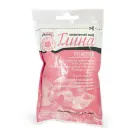
This pink clay is designed as a softer, more balanced cleansing option compared to stronger clay masks, which may make it a candidate if your skin is reactive. Its finely dispersed structure means smaller particles create a smoother paste that is less abrasive during application. However, clay-based products can still be drying, and individual reactions vary.
The safest approach is to conduct a patch test. Mix a small amount with water and apply a thin layer to a discreet area of skin, such as the inside of your forearm or behind your ear. Leave it for the duration you intend to use it for (e.g., 10 minutes), rinse off, and observe the area for 24 hours for any signs of redness, itching, or irritation. If no reaction occurs, you can try it on a small area of your face, like the jawline, before a full application. Always avoid the eye area. Pay close attention to how your skin feels after use; if it feels tight, dry, or looks more red, reduce the frequency of use or discontinue. It’s a cosmetic for cleansing and improving the look of tired skin, not a treatment for underlying sensitivity or conditions.