
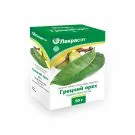
In herbal medicine, walnut leaves are valued not for a single component but for a combination of several natural substances, each of which contributes to the overall profile of the product:
- Carotene — a precursor of vitamin A and a well-known antioxidant. It helps cells cope with the effects of oxidative factors. The presence of carotene partly explains the characteristic colour of the infusion.
- Vitamin C — contributes to the normal function of connective tissue and blood vessel walls and is necessary for the immune response. Its content in walnut leaves is traditionally considered significant for herbal material.
- Tannins — these give the infusion its characteristic astringent, slightly tart taste. In herbal blends, such compounds are valued for their ability to interact with mucous membranes. They also give the infusion a fuller mouthfeel than ordinary tea.
- Juglone — a natural pigment specific to plants of the genus Juglans (walnut). It largely determines the characteristic dark tint of the infusion and is one of the most discussed components when it comes to the properties of walnut.
All these substances act together — this is a fundamental feature of herbal material compared with isolated extracts or synthetic supplements. That is why walnut leaves are traditionally used as whole herbal material rather than as separate fractions.