Free delivery: Estonia €30 · Latvia €35 · Lithuania €40 · Finland €60 · Poland €50
Free delivery: Estonia €30 · Latvia €35 · Lithuania €40 · Finland €60 · Poland €50. 14 days to return unopened goods. Original products from official suppliers. Convenient payment: bank links, Visa/Mastercard, Apple Pay, Google Pay, PayPal. We explain how the products differ and help you choose
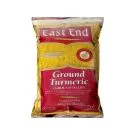
Turmeric powder is one ingredient: the finely ground rhizome of Curcuma longa. Curry powder, by contrast, is a ready-made blend that usually contains turmeric but also spices such as cumin, coriander, chilli, fennel or fenugreek. The exact mix varies by brand and region.
This difference matters when you follow a recipe:
If a recipe calls for turmeric and you use curry powder instead, the dish picks up extra flavours — often warmth and heat — and looks less cleanly golden.
If a recipe calls for curry powder and you use turmeric alone, you get the same yellow tone but lose the depth of the blend, so the dish will taste noticeably flatter.
If you want to substitute, the most practical route is to build the flavour yourself. This turmeric combines well with cumin, coriander and ginger in homemade spice mixes, and coconut milk, onion or garlic soften its natural pungency. That gives you control over heat and strength rather than depending on a pre-made blend.
There is also a visual difference: turmeric is the main staining component in curry powder, so a dish made with pure turmeric takes on a deeper yellow-orange colour than one made with a typical curry blend.