
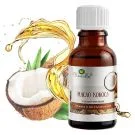
Coconut oil scores moderately high on comedogenicity scales, meaning it can clog pores for some people. If your skin is dry, normal, or mature and tends toward tightness, flaking, or rough patches, the oil’s fatty-acid profile (especially lauric acid) helps replenish the lipid barrier and reduce moisture loss. It’s particularly effective on body areas that lack sebaceous glands — elbows, knees, heels, cuticles.
If you have combination or oily skin, or a history of clogged pores, blackheads, or acne, use caution. Apply only to clearly dry zones (e.g., cheeks in winter, not the forehead/nose/chin). On the face, do a two-week patch test behind the ear or on the jawline before wider use. Discontinue if you notice new congestion, whiteheads, or irritation.
For sensitive or reactive skin, the single-ingredient formula reduces allergy risk compared to complex creams, but individual reactions still occur. Test a small area first. If you have a diagnosed skin condition (eczema, psoriasis, rosacea), consult your dermatologist before adding any new occlusive product to your routine.
On the scalp, the same logic applies: dry, flaky scalps may benefit from a pre-wash massage; oily or dandruff-prone scalps (often linked to Malassezia yeast, which feeds on lipids) may worsen with added oil.