Free delivery: Estonia €30 · Latvia €35 · Lithuania €40 · Finland €60 · Poland €50
Free delivery: Estonia €30 · Latvia €35 · Lithuania €40 · Finland €60 · Poland €50. 14 days to return unopened goods. Original products from official suppliers. Convenient payment: bank links, Visa/Mastercard, Apple Pay, Google Pay, PayPal. We explain how the products differ and help you choose
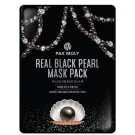
The mask contains several ingredients that are commonly used to support skin comfort and hydration, including allantoin, glycerin, butylene glycol and betaine. Allantoin is included for a soothing effect, while the humectants help the skin feel more hydrated and smooth. This can make the mask a reasonable option when the skin feels tired or slightly uncomfortable from dryness.
However, “suitable” always depends on your individual skin tolerance. The mask also contains active cosmetic ingredients such as niacinamide and adenosine, which many people tolerate well, but any skincare product can cause stinging, redness or irritation in some users. If you know your skin reacts easily, apply a small amount of the mask serum to a limited area first and wait to see how your skin responds before using it on the whole face.
Avoid applying the mask to broken, freshly shaved, sunburned or visibly irritated skin. If you experience persistent burning, swelling, rash or unusual discomfort, remove the mask and rinse the skin with water. For ongoing skin conditions or repeated reactions to cosmetics, it is best to ask a dermatologist or qualified skincare professional for advice.