Free delivery: Estonia €30 · Latvia €35 · Lithuania €40 · Finland €60 · Poland €50
Free delivery: Estonia €30 · Latvia €35 · Lithuania €40 · Finland €60 · Poland €50. 14 days to return unopened goods. Original products from official suppliers. Convenient payment: bank links, Visa/Mastercard, Apple Pay, Google Pay, PayPal. We explain how the products differ and help you choose
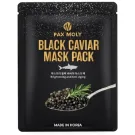
For dry-feeling skin, this mask has several relevant ingredients. Glycerin and sodium hyaluronate help hold moisture in the skin’s surface layers, which can reduce the feeling of tightness and improve the look of plumpness. Squalane supports softness and helps maintain the skin’s lipid balance, while hydrolyzed collagen forms a moisturising film on the surface for a smoother feel.
For sensitive skin, the answer is more individual. The mask includes skin-supporting ingredients such as niacinamide, but it also contains a plant extract complex with green tea, propolis, ginger, and perilla. Many people use botanical extracts without issue, but reactive skin can sometimes dislike otherwise beneficial cosmetic ingredients. Propolis in particular is an ingredient some people prefer to patch test first, especially if they have a history of sensitivity to bee-derived ingredients.
A practical way to assess tolerance is to apply a small amount of the essence from the mask to a discreet area, such as behind the ear or along the jawline, and wait to see whether redness, stinging, itching, or discomfort appears. Do not use the mask on broken, freshly exfoliated, sunburned, or visibly irritated skin. If your skin is prone to persistent reactions or you are under dermatological care, choose new cosmetics cautiously and ask a specialist when unsure.