Free delivery: Estonia €30 · Latvia €35 · Lithuania €40 · Finland €60 · Poland €50
Free delivery: Estonia €30 · Latvia €35 · Lithuania €40 · Finland €60 · Poland €50. 14 days to return unopened goods. Original products from official suppliers. Convenient payment: bank links, Visa/Mastercard, Apple Pay, Google Pay, PayPal. We explain how the products differ and help you choose
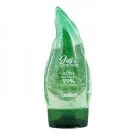
Aloe vera has a long history of topical use because it tends to be gentle and cooling, but "natural" does not guarantee zero reaction. The formula contains 99% Aloe barbadensis leaf gel, meaning the remaining 1% includes preservatives and stabilizers necessary for a water-based gel to remain safe over time. Even with a minimal ingredient list, individual sensitivity to aloe itself or to the preservation system is possible.
If you have reactive skin, rosacea, eczema, or a history of contact allergies, do a patch test before full-face or full-body use. Apply a small amount to the inner forearm or behind the ear, leave it on for 24 hours, and watch for redness, itching, stinging, or swelling. If any irritation appears, rinse off and discontinue use.
The product guidance also notes to avoid the eye area and to stop use if irritation or allergy develops. For very dry or compromised skin barriers, this gel may not provide enough occlusion on its own — layering a ceramide-rich or lipid-based cream on top can help reduce transepidermal water loss while still benefiting from aloe's hydrating polysaccharides and amino acids.
If you are pregnant, breastfeeding, or managing a chronic skin condition under medical supervision, consult your dermatologist before adding any new leave-on product to your routine.