Free delivery: Estonia €30 · Latvia €35 · Lithuania €40 · Finland €60 · Poland €50
Free delivery: Estonia €30 · Latvia €35 · Lithuania €40 · Finland €60 · Poland €50. 14 days to return unopened goods. Original products from official suppliers. Convenient payment: bank links, Visa/Mastercard, Apple Pay, Google Pay, PayPal. We explain how the products differ and help you choose
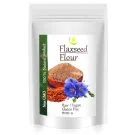
Pure flaxseed flour is naturally gluten-free because flaxseed is a seed, not a gluten-containing grain. The product is described as a gluten-free flour alternative, which makes sense for people who avoid gluten in their regular baking.
However, gluten-free status depends on how the product is handled. If you have coeliac disease or are highly sensitive, choose a product that is clearly labelled gluten-free and prepared in a facility that avoids cross-contamination. No gluten-free certification is specified, so check the label before relying on it.
Keep in mind that flaxseed flour behaves differently from wheat flour. Gluten gives dough elasticity and helps it hold air. Flaxseed flour provides structure mainly by absorbing water and binding ingredients, not by creating stretch. Therefore, use it in recipes that are already meant for gluten-free or low-gluten baking, or combine it with other flours and binders such as eggs. It is a good fit for rustic breads, crackers, pancakes and savoury bakes.
If you are new to gluten-free baking, start by replacing a small portion of flour in a familiar recipe. That reduces the risk of a dry or dense result and lets you learn how the flour behaves.