Free delivery: Estonia €30 · Latvia €35 · Lithuania €40 · Finland €60 · Poland €50
Free delivery: Estonia €30 · Latvia €35 · Lithuania €40 · Finland €60 · Poland €50. 14 days to return unopened goods. Original products from official suppliers. Convenient payment: bank links, Visa/Mastercard, Apple Pay, Google Pay, PayPal. We explain how the products differ and help you choose
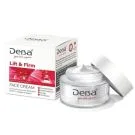
The cream is described as suitable for all skin types, but the right amount depends on your skin. Hyaluronic acid helps when skin feels dehydrated, tight after cleansing or rough to the touch; shea butter supplies lipids that soften the skin and reinforce its barrier. That combination makes the cream a reasonable match for dry skin, but it also works for people with oilier skin if they use a smaller quantity.
For dry skin, use a normal amount and focus on the cheeks, jawline and forehead. If the air is very dry or you spend all day in air conditioning, you can apply a thin second layer to the driest areas. For combination or oily skin, use a pea-sized amount or less, and miss out the T-zone if the cream feels too rich there. The formula is designed not to act as a heavy coating, so it should not leave a mask-like film if you use a modest amount.
People who notice loss of elasticity, a less fresh look or the first visible lines may find this useful as a straightforward morning moisturizer with firming and anti-wrinkle actives. It can be part of a simple anti-age routine: cleanser, serum if you like, this cream, then sunscreen. If your skin reacts with redness, tightness or stinging, stop using it and check whether another active in your routine is the cause; a specialist can help you sort that out.