Free delivery: Estonia €30 · Latvia €35 · Lithuania €40 · Finland €60 · Poland €50
Free delivery: Estonia €30 · Latvia €35 · Lithuania €40 · Finland €60 · Poland €50. 14 days to return unopened goods. Original products from official suppliers. Convenient payment: bank links, Visa/Mastercard, Apple Pay, Google Pay, PayPal. We explain how the products differ and help you choose
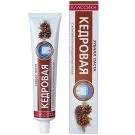
The product is described as a classic herbal-style formula whose character comes from cedar-derived oils and peppermint oil. So plant oils genuinely are at the centre of the formula. At the same time, the product information does not use the word 'natural' and does not publish the full list of components, so it is safer to treat 'natural' as a description of the formula style rather than as an official label.
Like any toothpaste, it needs a base of cleaning agents, humectants and other ingredients to form a stable paste with the right texture and foaming behaviour; the plant oils are what distinguish this product, not everything that is in it. The full ingredient list is printed on the packaging using INCI names, and reading it is the only reliable way to know exactly what else is inside and to spot anything you personally avoid.
Essential oils are common in oral cosmetics, but they are not automatically well tolerated by everyone. Peppermint oil is intended to create a cold, fresh sensation, which most people experience as pleasant. In sensitive individuals, however, essential oils — including mint, cedar or other plant oils — can cause a burning feeling, redness or swelling of the oral mucosa. If you have known allergies to these oils, start with a small amount at the first brushing and pay attention to how your mouth reacts. If any noticeable burning, swelling or other unpleasant reaction appears, stop using the product and consult a specialist.
It is a cosmetic hygiene product, not a medicine, so ongoing or worsening mouth complaints should be looked at by a dentist regardless of which paste you use.