Free delivery: Estonia €30 · Latvia €35 · Lithuania €40 · Finland €60 · Poland €50
Free delivery: Estonia €30 · Latvia €35 · Lithuania €40 · Finland €60 · Poland €50. 14 days to return unopened goods. Original products from official suppliers. Convenient payment: bank links, Visa/Mastercard, Apple Pay, Google Pay, PayPal. We explain how the products differ and help you choose
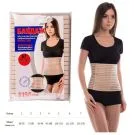
The Type 150P is made with a porous, perforated material that lets air circulate more freely inside the belt. This is particularly relevant if you expect to wear it for longer periods, in warmer conditions, or after surgery or childbirth, when the skin may be sensitive and moisture can build up. Better airflow does not mean the belt is completely cool or suitable for every climate; it simply reduces the tendency for heat and sweat to get trapped against the skin. Even so, how long you can wear it depends on your individual situation and on professional advice. A useful habit is to start with shorter periods, take breaks during the day, and observe how the skin reacts. If you notice redness, itching, soreness or signs of pressure, remove the belt and let the skin settle before putting it on again. Make sure the belt is not folded or bunched under clothing, because that reduces airflow and creates pressure points. Wearing a thin, breathable cotton layer underneath can also help absorb moisture and protect the skin, but make sure the layer does not create thick folds that affect the fit. The belt is designed to be more breathable than a dense elastic model, but it still needs to be snug enough to stay in place while you move.
 Loading