Free delivery: Estonia €30 · Latvia €35 · Lithuania €40 · Finland €60 · Poland €50
Free delivery: Estonia €30 · Latvia €35 · Lithuania €40 · Finland €60 · Poland €50. 14 days to return unopened goods. Original products from official suppliers. Convenient payment: bank links, Visa/Mastercard, Apple Pay, Google Pay, PayPal. We explain how the products differ and help you choose
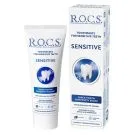
Use R.O.C.S. Sensitive toothpaste as you would a regular toothpaste in your daily oral hygiene routine, paying particular attention to the areas that react during brushing or after hot, cold, or sweet foods. The potassium nitrate in the formula works best with consistent use, because its calming effect on tooth nerve response develops gradually rather than instantly.
For sensitive teeth, brushing technique is just as important as the toothpaste. Use a soft toothbrush, avoid scrubbing back and forth with heavy pressure, and angle the brush so it cleans the gumline without forcing the bristles into sensitive areas. If a specific spot feels exposed or uncomfortable, brush it carefully rather than skipping it completely, because plaque around that area may increase irritation.
After brushing, avoid immediately rinsing very aggressively with a large amount of water if you want the toothpaste ingredients to remain in contact with the tooth surfaces a little longer. This is a common approach with sensitivity toothpastes, but follow your dentist’s advice if you have been given a specific routine.
If sensitivity does not improve with regular use, becomes worse, or is concentrated in one tooth, arrange a dental check. Toothpaste can support daily care, but it cannot identify or solve causes such as decay, a cracked tooth, or gum recession.