Free delivery: Estonia €30 · Latvia €35 · Lithuania €40 · Finland €60 · Poland €50
Free delivery: Estonia €30 · Latvia €35 · Lithuania €40 · Finland €60 · Poland €50. 14 days to return unopened goods. Original products from official suppliers. Convenient payment: bank links, Visa/Mastercard, Apple Pay, Google Pay, PayPal. We explain how the products differ and help you choose
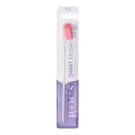
Use the R.O.C.S. Smart Brush Classic with a gentle technique rather than heavy pressure. The brush has soft bristles and a dense bristle arrangement, so it is designed to clean by contacting the enamel surface, the gum line and interdental areas as you move it carefully. Pressing harder is not the same as cleaning better; it can flatten the bristles and make them less able to reach around tooth contours.
Start with light contact: The bristles should touch the teeth and gum line without being crushed against them.
Brush all surfaces: Cover the outer, inner and chewing surfaces of the teeth, paying attention to areas where plaque tends to collect.
Take enough time: Move slowly enough for the bristles to work along the gum line and between teeth instead of quickly passing over them.
Use the compact head deliberately: Guide it toward the back teeth and other harder-to-reach areas, where larger brush heads can be less precise.
After brushing, rinse the toothbrush well and let it air-dry upright if possible. Replace it when the bristles become worn or splayed, as damaged bristles clean less predictably and can feel rougher on gums.