Free delivery: Estonia €30 · Latvia €35 · Lithuania €40 · Finland €60 · Poland €50
Free delivery: Estonia €30 · Latvia €35 · Lithuania €40 · Finland €60 · Poland €50. 14 days to return unopened goods. Original products from official suppliers. Convenient payment: bank links, Visa/Mastercard, Apple Pay, Google Pay, PayPal. We explain how the products differ and help you choose
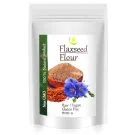
Flaxseed flour is not a 1:1 swap for white flour because it absorbs more water and creates a denser, heavier texture. A reliable approach is to replace only a portion of the regular flour in a recipe and leave the rest unchanged. This gives the bake a nutty flavour, extra plant protein and more fibre without changing the recipe too much.
It works especially well in rustic breads, crackers, pancakes and savoury bakes. In batters, the flour helps bind ingredients and gives body to the mixture. If a dough or batter seems too stiff, add liquid gradually rather than more flour.
Outside baking, flaxseed flour is simple to use raw. Mix a spoonful into yoghurt, kefir or a smoothie, then wait a minute or two before eating or drinking; the mixture thickens slightly as the fibre absorbs liquid. You can also stir it into porridge after cooking, or sprinkle a little over fruit and muesli.
Start with a small amount if you are not used to high-fibre foods, and keep in mind that flaxseed flour works best with enough fluids. It is a food ingredient, not a substitute for a balanced diet. If you are on a medically restricted diet or have a sensitive digestive system, check with your specialist whether this kind of fibre-rich product fits your menu.