Free delivery: Estonia €30 · Latvia €35 · Lithuania €40 · Finland €60 · Poland €50
Free delivery: Estonia €30 · Latvia €35 · Lithuania €40 · Finland €60 · Poland €50. 14 days to return unopened goods. Original products from official suppliers. Convenient payment: bank links, Visa/Mastercard, Apple Pay, Google Pay, PayPal. We explain how the products differ and help you choose
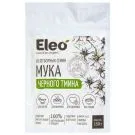
Black cumin flour is made from whole ground seeds, and ground seeds contain natural oils. Those oils contribute to the fuller taste of recipes, but they also mean the flour can turn rancid if it is exposed to heat, light, air or moisture for a long time. Storage therefore matters more than it does for a refined flour with very little oil content.
The simplest method is to keep the package tightly closed and store it in a cool, dark place, away from the stove, oven or a sunny countertop. If you live in a warm climate or expect to use the flour slowly, transferring it to an airtight container and keeping it in the refrigerator helps it stay fresh longer. In both cases, use a clean, dry spoon every time you take some out, because moisture introduced into the jar can speed up spoilage.
Before using flour that has been stored for a while, check its smell and appearance. Freshly ground black cumin flour has a warm, aromatic seed scent. If it smells musty, stale or unusually sharp, or if you see clumping that suggests moisture, it is safer to discard it and open a new package. The best-before date on the label is a useful guide, but your senses are important for noticing problems after the package has been opened.
If you buy a larger package, you can portion the flour into smaller airtight containers and keep most of it in the freezer. The cold protects the natural oils from turning rancid, while a small jar stays in the kitchen for everyday use. Let the frozen portion come to room temperature in its sealed container before opening it, so condensation does not form on the flour.