Free delivery: Estonia €30 · Latvia €35 · Lithuania €40 · Finland €60 · Poland €50
Free delivery: Estonia €30 · Latvia €35 · Lithuania €40 · Finland €60 · Poland €50. 14 days to return unopened goods. Original products from official suppliers. Convenient payment: bank links, Visa/Mastercard, Apple Pay, Google Pay, PayPal. We explain how the products differ and help you choose
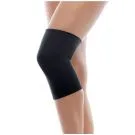
Neoprene needs gentler care than ordinary fabric. After use, rinse the sleeve in lukewarm water to remove sweat and skin oils, then wash it by hand with a mild soap. Avoid hot water, fabric softeners and bleach, because they can damage the neoprene and reduce both its elasticity and its ability to retain heat. Do not wring or twist the sleeve; squeeze the water out gently and pat it with a towel.
Air drying is the safest option. Dry the sleeve flat in a well-ventilated place, out of direct sunlight and away from radiators, heaters or hair dryers. Heat can make neoprene harden, warp or lose shape, which changes the fit and the level of compression. Once it is dry, store it flat or loosely rolled. Do not fold it sharply, place heavy items on top of it, or leave it near sharp objects and rough surfaces.
Good care does not make a compression sleeve last forever; over time the material will gradually soften and the support will become less precise. If the sleeve no longer fits closely, starts to develop tears, or does not feel evenly compressive, it is probably time to replace it. Check your skin after each use and stop wearing the sleeve if you notice irritation or rubbing.