Free delivery: Estonia €30 · Latvia €35 · Lithuania €40 · Finland €60 · Poland €50
Free delivery: Estonia €30 · Latvia €35 · Lithuania €40 · Finland €60 · Poland €50. 14 days to return unopened goods. Original products from official suppliers. Convenient payment: bank links, Visa/Mastercard, Apple Pay, Google Pay, PayPal. We explain how the products differ and help you choose
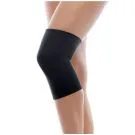
Neoprene is a closed-cell rubber material, so heat and harsh chemicals can damage it faster than ordinary fabric. In general, the safest routine is to hand wash the sleeve in cool or lukewarm water with a small amount of mild soap or a care product intended for neoprene. Rinse thoroughly until the water runs clear, then gently press the water out with a towel. Do not wring, twist, or use a washing machine unless the manufacturer's label specifically says it is safe; machine washing can fold and crease the neoprene, and the spin cycle can distort the shape.
Dry the sleeve flat on a towel at room temperature, away from radiators, direct sunlight, and tumble dryers. High heat can make neoprene stiff, brittle, or cause the outer fabric layer to peel. Similarly, avoid fabric softeners, bleach, and strong solvents: they may leave residues that irritate the skin or break down the elastic material.
Between uses, store it rolled or flat in a dry place, not crumpled or folded sharply for long periods. If the surface shows deep cracks, the edges fray, or the sleeve no longer returns to its original shape after washing, replace it. The same applies if the compression feels noticeably weaker: a stretched-out neoprene sleeve will not hold firmly around the knee, and continuing to wear it may simply be unnecessary discomfort.
Before washing, check the care tag on the product itself if one is present. Those instructions are more reliable than general advice because they may specify temperature limits or drying rules for this particular item.