
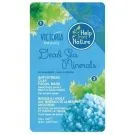
Because clay masks temporarily reduce surface oil and can leave the skin feeling clean but slightly depleted of its natural lipid film, the recommended frequency is 1–2 times per week. Using it more often may compromise the barrier, especially if you also use active ingredients like retinoids or exfoliating acids. The best time is usually in the evening after cleansing, so the skin can recover overnight. After rinsing the mask off completely with lukewarm water, pat the face dry and apply a moisturiser appropriate for your skin type — this step is essential to re-establish hydration and comfort. The mask fits well as a weekly reset when the T-zone feels oilier, texture seems uneven, or the complexion looks congested and lacks radiance before an event. It also prepares the skin to absorb subsequent serums or creams more evenly. If you experience any stinging, redness, or irritation that persists after rinsing, discontinue use. Very sensitive or reactive skin types should perform a patch test on the inner forearm 24 hours before the first full-face application. Store the tube at room temperature, away from direct sunlight, and close the cap tightly after each use to prevent the clay from drying out.
How often should I use it and what should I do after rinsing? — Face mask with dead sea minerals antistress 7+7 ml victoria beauty
Question about the product
Face mask with dead sea minerals antistress 7+7 ml victoria beauty
€1.50
Go to product