
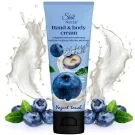
There is no fixed schedule for this type of moisturising cream. The main signal is how your skin feels: use it when it starts to feel dry, rough, tight or less flexible. The product description suggests three practical moments: keeping it by the sink to apply after hand washing, putting it on shins or elbows after a bath or shower, and using it any time the skin feels less comfortable.
If you wash your hands often, your skin loses moisture with each wash because water and soap strip natural oils. Applying a small amount right after drying your hands helps lock in the remaining moisture and reduces that pulled, dry feeling. The same principle applies after bathing — the skin is damp, which is a good time to apply a cream because it traps the water in the upper skin layer.
How much to use depends on the area. For hands, a small amount about the size of a pea to a 1-cent coin is enough for both hands; if it still feels tight, you can add a little more. For larger body areas like the shins or arms, use a slightly larger amount and spread it evenly until absorbed. The texture is meant to feel nourishing rather than heavy, so a thin layer is usually sufficient. If the cream feels too rich on your hands during the day, you can apply a smaller amount or focus it on the dry parts and rub it in well.
In winter or in heated rooms, indoor air is drier, so you may need to apply more frequently. In humid summer conditions, your skin may not need it as often. Listen to your skin rather than following a rigid routine. Consistent use when needed is what makes the skin surface feel smoother.
If you are applying after showering, pat the skin slightly dry rather than rubbing it fully dry, then apply the cream while the skin is still a little damp. This is a simple way to get more benefit from any moisturiser.