Free delivery: Estonia €30 · Latvia €35 · Lithuania €40 · Finland €60 · Poland €50
Free delivery: Estonia €30 · Latvia €35 · Lithuania €40 · Finland €60 · Poland €50. 14 days to return unopened goods. Original products from official suppliers. Convenient payment: bank links, Visa/Mastercard, Apple Pay, Google Pay, PayPal. We explain how the products differ and help you choose
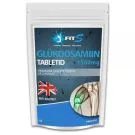
Glucosamine is not an acute or fast-acting ingredient. It provides raw material (amino sugars and sulfur) that the body incorporates into cartilage matrix over weeks to months of consistent use. Most published nutrition studies on glucosamine sulfate evaluate outcomes at 8–24 weeks of daily intake. A single bottle (60 tablets at one per day) covers two months, which aligns with the minimum period often suggested for a first evaluation.
Because cartilage has no blood supply and turns over slowly, any nutritional support works on a different timeline than, say, a vitamin or electrolyte. Plan to take it daily with a meal for at least 8–12 weeks before assessing whether it complements your mobility routine. Missing days occasionally won’t undo progress, but consistency matters more than occasional double-dosing.
This product is single-ingredient, so it fits well alongside other habits that actually move the needle for joint comfort: regular low-impact movement (cycling, swimming, walking), strength work for the muscles that stabilize the joint, and maintaining a body weight that doesn’t overload knees and hips. Glucosamine does not replace those; it’s a nutritional adjunct.
If after 3–6 months you see no change, discuss with a physiotherapist or clinician whether the issue is structural (meniscus, ligament, alignment) rather than nutritional. No supplement can correct mechanical problems.
Safety framing: consult a specialist before long-term use if you are pregnant, breastfeeding, have diabetes, or take anticoagulants.