Free delivery: Estonia €30 · Latvia €35 · Lithuania €40 · Finland €60 · Poland €50
Free delivery: Estonia €30 · Latvia €35 · Lithuania €40 · Finland €60 · Poland €50. 14 days to return unopened goods. Original products from official suppliers. Convenient payment: bank links, Visa/Mastercard, Apple Pay, Google Pay, PayPal. We explain how the products differ and help you choose
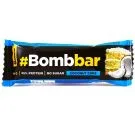
The most obvious difference is composition. A regular coconut cake is usually made from flour, sugar, butter or cream, and often has a short shelf life. This bar, on the other hand, is described as a protein-rich base covered with a glazed coating. The base includes whey protein concentrate and milk protein concentrate, which provide amino acids, and fiber, which slows digestion compared with ordinary sweets. Coconut flakes and coconut oil give it the soft, rich texture and the coconut flavour that makes it taste cake-like.
That does not make it equal to a piece of cake nutritionally — it is still a sweetened snack with a glaze, so it is best treated as a treat with a more balanced profile rather than as a substitute for a balanced diet. It can be useful when you want a portion-controlled sweet option: a single 40 g bar is a fixed serving, which is easier to manage than cutting a slice from a large cake.
In practice, it can be kept in a bag, desk drawer, or gym backpack, which is not something you would usually do with a fresh pastry. That makes it a practical choice for travel, work, or after exercise when you want something sweet without needing refrigeration or preparation.