Free delivery: Estonia €30 · Latvia €35 · Lithuania €40 · Finland €60 · Poland €50
Free delivery: Estonia €30 · Latvia €35 · Lithuania €40 · Finland €60 · Poland €50. 14 days to return unopened goods. Original products from official suppliers. Convenient payment: bank links, Visa/Mastercard, Apple Pay, Google Pay, PayPal. We explain how the products differ and help you choose
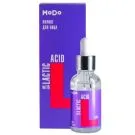
How does this lactic acid peeling differ from using a physical scrub or other acid exfoliants like glycolic acid? — Face Peeling with Lactic Acid 10%, 30 ml-Modum
This peeling uses a chemical exfoliation method. Instead of relying on abrasive particles to physically scrub away dead skin cells (like a scrub), the 10% lactic acid works by loosening the bonds (desmosomes) that hold dull surface cells together. This allows them to shed more evenly and naturally, which can lead to smoother skin without the potential micro-tears or irritation that harsh physical scrubs might cause.
Within the category of chemical exfoliants (AHAs), lactic acid has specific characteristics. It has a larger molecular size than glycolic acid, which means it penetrates the skin more slowly and is often associated with a gentler, less immediately intense sensation. Furthermore, unlike purely drying exfoliants, lactic acid possesses humectant properties, meaning it helps attract and bind water to the skin. This can result in skin that not only looks fresher and more radiant from exfoliation but also feels softer and more hydrated afterward. Glycolic acid, while highly effective, can be more potent and potentially more irritating for sensitive or reactive skin types. The choice between them often depends on individual skin tolerance and primary goals—glycolic for more intense surface renewal, lactic for a balanced approach of exfoliation and hydration.