
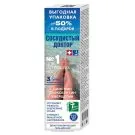
Horse chestnut gels typically standardize on escin, a saponin mixture that acts on capillary permeability and is widely studied for venous tone support in cosmetic and OTC contexts. Heparin-based gels (often sold as medicinal products in Europe) contain low-molecular-weight heparin or heparinoid, which influences local coagulation pathways and is regulated as a medicine for superficial thrombophlebitis or post-traumatic hematoma. This ForaFarm gel takes a different approach: it combines three bioflavonoids — diosmin, troxerutin, and quercetin — all derived from citrus or buckwheat sources. Flavonoids in topical cosmetics are chosen for their antioxidant and skin-conditioning properties, helping the skin of the legs look fresher and feel more toned after physical load. The texture is a light, fast-absorbing gel designed for a cooling sensation, whereas heparin gels often have a more clinical, less sensory-focused base, and horse chestnut gels can vary from creams to alcohol-based sprays. If you are already using a prescribed heparin gel for a diagnosed condition, do not replace it with this cosmetic. For everyday leg fatigue from standing, travel, or heat, the flavonoid combination offers a non-medicinal option with a pleasant cosmetic feel; some people alternate or layer products (e.g., heparin gel on a specific area per doctor's advice, flavonoid gel on the whole leg for comfort), but always let each layer absorb fully and consult your pharmacist or doctor about combining topical products on the same skin area.
How does this flavonoid gel differ from horse chestnut or heparin-based leg gels? — 7NOT ZDOROVJA DIOSMIN - GEL WITH TROXERUTIN AND QUERETCIN FOR TIRED FEET. 125ML ForaFarm
Question about the product
7NOT ZDOROVJA DIOSMIN - GEL WITH TROXERUTIN AND QUERETCIN FOR TIRED FEET. 125ML ForaFarm
€4.90
Go to product