Free delivery: Estonia €30 · Latvia €35 · Lithuania €40 · Finland €60 · Poland €50
Free delivery: Estonia €30 · Latvia €35 · Lithuania €40 · Finland €60 · Poland €50. 14 days to return unopened goods. Original products from official suppliers. Convenient payment: bank links, Visa/Mastercard, Apple Pay, Google Pay, PayPal. We explain how the products differ and help you choose
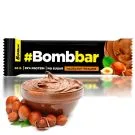
The product overview describes the bar as having a more balanced nutritional profile than ordinary candy bars and a noticeably higher protein and fibre content. In practical terms, that means you get a sweet-tasting bar with a chocolate coating and hazelnut praline flavour, but without sugar, and with more protein and fibre to make it more satisfying. Compared with a typical candy bar of similar size, it may help you feel full for a little longer.
It can certainly be used as a dessert-style option with coffee or tea, which is one of the intended scenarios. Because the protein comes from whey and milk, and because the bar contains nuts and fibre, the texture and mouthfeel are different from a purely sugary chocolate bar. Expect a denser, more substantial bite.
Still, it is not a message to ignore the rest of your diet. It is a snack, not a full meal, and it is not a substitute for fruits, vegetables, whole grains or other whole foods. If your goal is to reduce sugar without giving up sweets, this kind of bar may fit into a balanced routine, but it works best as one small part of an overall eating pattern.
When comparing products, do not rely only on front-of-pack claims. Look at protein, fibre, sugar, fat and calories per 100 g or per bar to see which option matches your needs.