Free delivery: Estonia €30 · Latvia €35 · Lithuania €40 · Finland €60 · Poland €50
Free delivery: Estonia €30 · Latvia €35 · Lithuania €40 · Finland €60 · Poland €50. 14 days to return unopened goods. Original products from official suppliers. Convenient payment: bank links, Visa/Mastercard, Apple Pay, Google Pay, PayPal. We explain how the products differ and help you choose
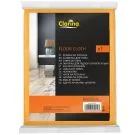
The antistatic property means the cloth attracts and holds dust particles rather than pushing them around. This happens because the material prevents static electricity buildup that would otherwise repel dust as you wipe. When cleaning, dust is drawn to the cloth and stays there until you shake it out or wash it.
This is particularly useful on smooth, non‑porous surfaces where dust tends to scatter easily — such as wooden floors (especially sealed or varnished wood) and polished stone like marble, granite, or terrazzo. On these finishes, a regular cloth can just redistribute fine debris, whereas an antistatic cloth picks it up in fewer passes, leaving less visible residue behind.
For best results, use the cloth dry or slightly damp (not wet) for dust pickup. On textured floors like unsealed wood or ceramic tile, the effect is less noticeable because dust settles into grooves, but the cloth still works as a standard reusable cleaning textile.