Free delivery: Estonia €30 · Latvia €35 · Lithuania €40 · Finland €60 · Poland €50
Free delivery: Estonia €30 · Latvia €35 · Lithuania €40 · Finland €60 · Poland €50. 14 days to return unopened goods. Original products from official suppliers. Convenient payment: bank links, Visa/Mastercard, Apple Pay, Google Pay, PayPal. We explain how the products differ and help you choose
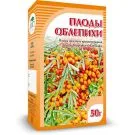
How does sea buckthorn tea compare to other berry herbal teas like rosehip or hibiscus? — Sea buckthorn berries 50 g Horst ( plody oblepihi / плоды облепихи )
Sea buckthorn stands out among berry herbal teas due to its distinctive flavor profile and composition. While rosehip tea offers a sweet-tart apple-like taste and hibiscus provides a cranberry-like tartness with floral notes, sea buckthorn delivers a unique combination of tartness and subtle resinous undertones that some describe as slightly pine-like or earthy. The intense orange color comes from carotenoids, making it visually different from the deep red of hibiscus or the amber of rosehip infusions.
Flavor comparison: Rosehip tends to be sweeter and more mellow, hibiscus is distinctly cranberry-like with a drying sensation, while sea buckthorn offers bright acidity with a lingering fruity finish. In terms of mouthfeel, sea buckthorn produces a slightly viscous texture due to natural pectin content, whereas rosehip and hibiscus are thinner. This makes sea buckthorn feel more substantial and coating on the palate.
Usage context: Many herbal tea enthusiasts rotate between these tart berry teas seasonally. Rosehip is popular year-round, hibiscus is often consumed hot or cold as iced tea, while sea buckthorn is particularly favored in northern European traditions during autumn and winter months. Its flavor pairs well with warming spices like cinnamon or ginger, creating blends that complement seasonal routines.