Free delivery: Estonia €30 · Latvia €35 · Lithuania €40 · Finland €60 · Poland €50
Free delivery: Estonia €30 · Latvia €35 · Lithuania €40 · Finland €60 · Poland €50. 14 days to return unopened goods. Original products from official suppliers. Convenient payment: bank links, Visa/Mastercard, Apple Pay, Google Pay, PayPal. We explain how the products differ and help you choose
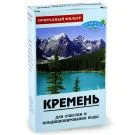
RÄNIKIVI LOODUSLIK VEEFILTER uses flint stone rich in silicon dioxide (SiO₂) that interacts with water through contact over many hours. This mineral conditioning process doesn't mechanically remove impurities like cartridge filters do. Instead, it influences the water's sensory qualities - making taste feel cleaner, softer, or fresher for some people. The effect is most noticeable in the mouthfeel and overall drinking experience, which is why flint-conditioned water is popular for tea, coffee, and cooking where water quality affects beverage characteristics.
In traditional Eastern European practice, flint stones were placed in stored water containers to maintain freshness during storage periods. The mineral medium works best when water stands with the stones for extended periods, allowing gradual interaction. Results vary by individual taste perception and original water characteristics. This method requires patience and realistic expectations - it's primarily a conditioning approach rather than purification.