
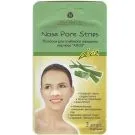
Skinlite Nose Pore Strips "ALOE" SL-246 function through simple mechanical action rather than by dissolving pore buildup with acids. When applied to damp skin, the strip adheres closely to the surface and grips the material sitting in and around the pore opening. As it dries, it hardens slightly; when peeled away, it lifts away some of the plugs that make pores look darker and more noticeable. This provides an immediate and visual effect, leaving the skin looking cleaner and smoother after removal.
Because the process involves physical pulling, these strips are not intended for daily use. They fit best as an occasional step in a facial regimen, particularly when the T-zone looks congested or after a humid week when the nose area feels especially oily. Repeated pulling can be too harsh for reactive skin, so moderation is key to maintaining skin integrity.
The inclusion of aloe extract serves to make the process gentler on the skin. Aloe is widely used in facial cosmetics because it helps calm the feeling of tightness that can appear after intensive cleansing. While it does not "shrink" pores permanently, it can make the skin feel less stressed after the strip is removed. This makes the product a practical option for people who want a quick targeted step for the nose area rather than a full-face mask.
Consult a specialist before use if you have chronic skin conditions, are pregnant, breastfeeding, or taking medication that affects skin sensitivity.