
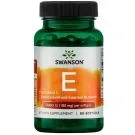
Vitamin E is often considered a dietary addition in the following situations:
- Unbalanced or monotonous diet. The main dietary sources of vitamin E are vegetable oils, nuts, seeds and green leafy vegetables. If these are scarce in the diet, the supplement helps fill that gap.
- Intensive physical exertion. During active training, the formation of free radicals in the body increases. Vitamin E works within the fatty environment of cell membranes and takes part in protecting them from oxidative stress.
- Living in a polluted environment. Urban smog, tobacco smoke and other external factors also increase the oxidative load on cells.
- Periods of stress. Chronic stress is another factor where antioxidant support from the diet may be relevant.
- A low-fat diet. Because vitamin E is fat-soluble, people on a very low-fat diet may get less of it from food.
The supplement does not replace a varied diet and is not intended to diagnose, treat or prevent disease.