
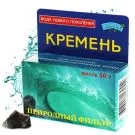
Flint water is traditionally used in several areas of everyday life, and each of them makes practical sense.
- Brewing tea and homemade drinks. Soft water brings out the flavour of tea leaves better — less hardness, less of the typical residue in the cup. This is especially noticeable when brewing delicate green or white teas, where hard water can “mask” the subtle nuances of flavour.
- Cooking. The water is used for cooking grains and soups and for making dough. Soft water generally does not affect the taste of dishes as noticeably as hard water, which can leave a characteristic aftertaste.
- Infusions and decoctions. When you prepare herbal infusions, soft water makes it possible to extract the aromatic and flavour components of plants better, without foreign impurities.
- Washing and skin care. Hard tap water often causes a feeling of tightness after washing. Flint water is used to rinse the face and body — the skin may feel softer afterwards. It is not a cosmetic product and does not replace skin care products, but as an addition to daily care this method has long been practised.
- Rinsing hair. Hard water can make hair duller and rougher to the touch. Rinsing with soft water after washing is a common home practice for improving the appearance of hair.
It is important to remember that a flint filter is not a deep purification system. If the quality of the source water is in doubt, it is better to combine it with reliable filtration methods rather than use it as the only way of treating water.