
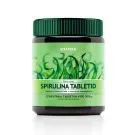
Spirulina is a microalga with a high nutrient density. It contains several groups of components, each of which plays its part:
- Protein and amino acids — spirulina contains the full set of essential amino acids, which makes it one of the few plant sources of complete protein. This is especially relevant when you reduce the amount of meat and fish in your diet.
- Iron, magnesium and other minerals — these are involved in energy metabolism and in maintaining the normal course of many biochemical processes in the body.
- Chlorophyll and carotenoids — natural pigments; spirulina owes its blue-green colour to its high chlorophyll content. They are valued as part of a varied plant-based diet.
Spirulina is added to the diet not for a quick effect but to gently fill gaps in it: at times of heavy workload, when meals are monotonous or when you want to increase your intake of plant nutrients without radically changing your diet. It is a food supplement, not a substitute for a complete and varied diet.