Free delivery: Estonia €30 · Latvia €35 · Lithuania €40 · Finland €60 · Poland €50
Free delivery: Estonia €30 · Latvia €35 · Lithuania €40 · Finland €60 · Poland €50. 14 days to return unopened goods. Original products from official suppliers. Convenient payment: bank links, Visa/Mastercard, Apple Pay, Google Pay, PayPal. We explain how the products differ and help you choose
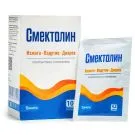
Smektolin's action is based on sodium calcium magnesium montmorillonite, a natural mineral from the clay group. Its mechanism is similar to that of diosmectite (the active substance in classic smectite products): it binds excess fluid and certain irritants in the intestinal lumen, which makes stools more formed and may reduce the feeling of irritation. The effect is local — the mineral is not absorbed into the blood and acts directly in the intestine.
Inulin is a soluble dietary fibre that serves as food for the gut's own beneficial flora (bifidobacteria and lactobacilli). It does not give a quick symptomatic effect like a sorbent, but its presence in the formula makes the product more suitable for people who want to support their digestion in general, not just deal with a one-off episode of discomfort.
Magnesium plays a part in the functioning of the muscles and nervous system and is included in the formula as an additional ingredient. Its role here is a supporting one.
So Smektolin is not just a sorbent in a sachet but a combination product in which an adsorbent mineral is complemented by prebiotic fibre. Who is this relevant for? If you are only interested in a quick effect for diarrhoea or bloating, the montmorillonite does that job; if you also want to support your gut flora, the inulin adds value. The product is not a medicine and is no substitute for a medical assessment if symptoms are severe or recurrent.