Free delivery: Estonia €30 · Latvia €35 · Lithuania €40 · Finland €60 · Poland €50
Free delivery: Estonia €30 · Latvia €35 · Lithuania €40 · Finland €60 · Poland €50. 14 days to return unopened goods. Original products from official suppliers. Convenient payment: bank links, Visa/Mastercard, Apple Pay, Google Pay, PayPal. We explain how the products differ and help you choose
In nature, resveratrol is found in several plants — the grapevine, peanuts, berries and Japanese knotweed (Reynoutria japonica, also known as Polygonum cuspidatum). In the food supplement industry, Japanese knotweed has become one of the main commercial sources of this polyphenol: the plant's rhizomes contain a high concentration of trans-resveratrol, which makes it a convenient raw material for standardised extracts.
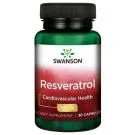
In terms of chemical structure, resveratrol from knotweed is the same trans-resveratrol as that from grape sources. The fundamental difference between supplements usually lies not in the source plant but in the degree of standardisation of the extract and the final content of the active substance per capsule. This product states a dose of 100 mg per capsule — an important reference point when comparing it with other supplements.
The practical takeaway: when choosing a resveratrol supplement, look at the specific amount of the active substance per serving, not just at the source plant. If you already take other antioxidants or medicines that affect blood clotting, it makes sense to consult a specialist before adding resveratrol to your diet.