Free delivery: Estonia €30 · Latvia €35 · Lithuania €40 · Finland €60 · Poland €50
Free delivery: Estonia €30 · Latvia €35 · Lithuania €40 · Finland €60 · Poland €50. 14 days to return unopened goods. Original products from official suppliers. Convenient payment: bank links, Visa/Mastercard, Apple Pay, Google Pay, PayPal. We explain how the products differ and help you choose
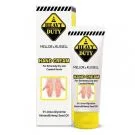
Most hand creams moisturise by forming a film on the skin's surface that slows moisture loss. Urea works differently: it belongs to the class of natural moisturising factors (NMF) — substances the skin produces itself but loses through frequent handwashing, contact with hand sanitisers and household chemicals.
At a 5% concentration urea acts as a humectant: it draws water molecules in and holds them in the upper layers of the skin. This sets it apart from higher concentrations (10–40%), used in dermatological products, which have a pronounced keratolytic effect — that is, they soften rough areas. At 5% there is no such intense action: the cream works gently and suits regular daily use.
Glycerin in the formula reinforces this effect: it also binds moisture, but the mechanism is slightly different — glycerin holds water well on the skin's surface and in the upper layer of the epidermis. The two ingredients complement each other: urea helps the skin absorb and retain moisture better, while glycerin reduces the feeling of dryness and tightness after cleansing.
In practice this means the cream is suitable not only as a one-off "after washing hands" product, but also for regular care during periods when the skin systematically loses moisture — in the heating season, when working with water or chemicals.