Free delivery: Estonia €30 · Latvia €35 · Lithuania €40 · Finland €60 · Poland €50
Free delivery: Estonia €30 · Latvia €35 · Lithuania €40 · Finland €60 · Poland €50. 14 days to return unopened goods. Original products from official suppliers. Convenient payment: bank links, Visa/Mastercard, Apple Pay, Google Pay, PayPal. We explain how the products differ and help you choose
Modern water filters — jug filters, flow-through filters, reverse osmosis systems — work by means of special cartridges that mechanically and chemically trap contaminants, bacteria, heavy metals and other impurities. Their effectiveness is measurable and confirmed by technical specifications.
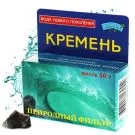
Flint works differently: it is a natural mineral whose surface, on contact with water, gradually binds some undesirable impurities, making the water taste softer. This is not technological purification but a traditional household method of preparing water that has been known for a long time. It has no measurable technical purification specifications and does not replace modern filtration systems if there are real doubts about the safety of the water.
A flint filter makes sense in situations where:
tap or filtered water is already safe but seems hard or has an unpleasant aftertaste;
you want to improve the taste of water for tea or cooking without chemical additives;
you need soft water for cosmetic purposes — washing your face or rinsing your hair;
a simple method that requires no cartridge maintenance is important to you.
If the quality of the source water is unknown or raises concerns, it is better to use flint as an addition to your main filtration system rather than instead of it.