Free delivery: Estonia €30 · Latvia €35 · Lithuania €40 · Finland €60 · Poland €50
Free delivery: Estonia €30 · Latvia €35 · Lithuania €40 · Finland €60 · Poland €50. 14 days to return unopened goods. Original products from official suppliers. Convenient payment: bank links, Visa/Mastercard, Apple Pay, Google Pay, PayPal. We explain how the products differ and help you choose
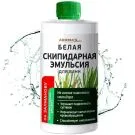
How does the white turpentine emulsion differ from the yellow one, and how do you choose the right one? — Turpentine emulsion for baths "White", 450 ml "AromaSaules"
Both types of turpentine emulsion contain gum turpentine — a component of conifer resin — and work by stimulating surface blood circulation. However, they are traditionally credited with a different kind of effect, and this influences the choice.
The white emulsion, like AromaSaules ‘Valge’, is associated with a toning, invigorating effect. It is more often chosen when you want to ‘wake up’ the body: after physical exertion, when the muscles feel stiff, the hands and feet feel cold or you feel generally sluggish. A bath with the white emulsion is perceived as a more active and intense procedure.
The yellow emulsion is traditionally considered the more relaxing option — it is often chosen to relieve tension and to calm down rather than to invigorate.
So if the aim is to perk up, feel warmer and support recovery after exertion, the white emulsion is the better choice. If relaxation and calm are the priority, consider the yellow one. According to the scheme on the label, the white and yellow emulsions are alternated every other day: day 1 — white, day 2 — break, day 3 — yellow, day 4 — break; a course is at least 30 baths.
The white emulsion is suitable for people with normal or low blood pressure; with high blood pressure it is not recommended in its pure form — in this case yellow baths are alternated with mixed ones (white and yellow emulsions in equal proportions). If you have sensitive skin, are pregnant or have chronic diseases, consult a specialist before starting a course — this applies to both types of emulsion.