Free delivery: Estonia €30 · Latvia €35 · Lithuania €40 · Finland €60 · Poland €50
Free delivery: Estonia €30 · Latvia €35 · Lithuania €40 · Finland €60 · Poland €50. 14 days to return unopened goods. Original products from official suppliers. Convenient payment: bank links, Visa/Mastercard, Apple Pay, Google Pay, PayPal. We explain how the products differ and help you choose
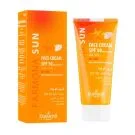
This sunscreen may be used as the last step in a routine that includes active skincare, but the source guidance recommends a cautious approach if you use acids, retinoids or other active products. These products can make skin feel more delicate for some people, so it is sensible to patch-test the sunscreen first, especially if you already know your skin reacts easily to new formulas.
A practical way to test is to apply a small amount to a limited area of the face or near the jawline and observe how your skin feels over the next day. If there is no obvious discomfort, you can try it on the full face. When combining with strong evening actives, keep the morning routine simple: cleanse if needed, use a suitable moisturiser if your skin wants one, then apply the SPF before sun exposure.
Be careful around the eye area. The product is a facial sunscreen, but the eye contour can be more sensitive, and sunscreen can sting if it migrates into the eyes through sweat or rubbing. Apply gently around the orbital bone rather than directly into the lash line, and wash hands after application. If you have persistent irritation, very reactive skin or a diagnosed skin condition, ask a dermatologist or pharmacist for individual advice.