Free delivery: Estonia €30 · Latvia €35 · Lithuania €40 · Finland €60 · Poland €50
Free delivery: Estonia €30 · Latvia €35 · Lithuania €40 · Finland €60 · Poland €50. 14 days to return unopened goods. Original products from official suppliers. Convenient payment: bank links, Visa/Mastercard, Apple Pay, Google Pay, PayPal. We explain how the products differ and help you choose
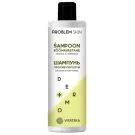
This shampoo includes glycerin, betaine and panthenol, all of which are there to keep the skin from feeling tight and stripped after washing. That makes the formula more suitable for reactive scalps than a typical harsh cleansing shampoo. However, suitable does not mean risk-free. If your skin is very sensitive, damaged or reacting strongly, patch testing is sensible before regular use.
To patch test, apply a small amount behind one ear or on the inside of the elbow, leave it for a few minutes, then rinse. Watch the area for the next 24 hours. If you see redness, swelling or itching, do not apply the shampoo to your scalp. Also avoid use on broken skin, including scratched, bleeding or severely chapped areas. If the scalp is irritated for reasons you are unsure about, it is better to find out the cause before introducing a new product.
When you start using the shampoo, it can help to limit the first one or two washes to the scalp areas that bother you most, such as the hairline and parting. Rinse thoroughly with lukewarm water rather than very hot water, since hot water can increase irritation. If you already use a moisturising conditioner or scalp toner, you can continue it after washing as long as it does not make your scalp feel worse.
The shampoo is a care product, not a medicine, and it is not designed to address a diagnosed skin condition. If you are pregnant or have a chronic scalp condition, consult a specialist before adding this product to your routine.